ARENA TACTICS · CLASH ROYALE
A deck can contain strong cards and still have no clear answer to an ordinary attack. Build around roles and trade-offs before chasing a fashionable list.
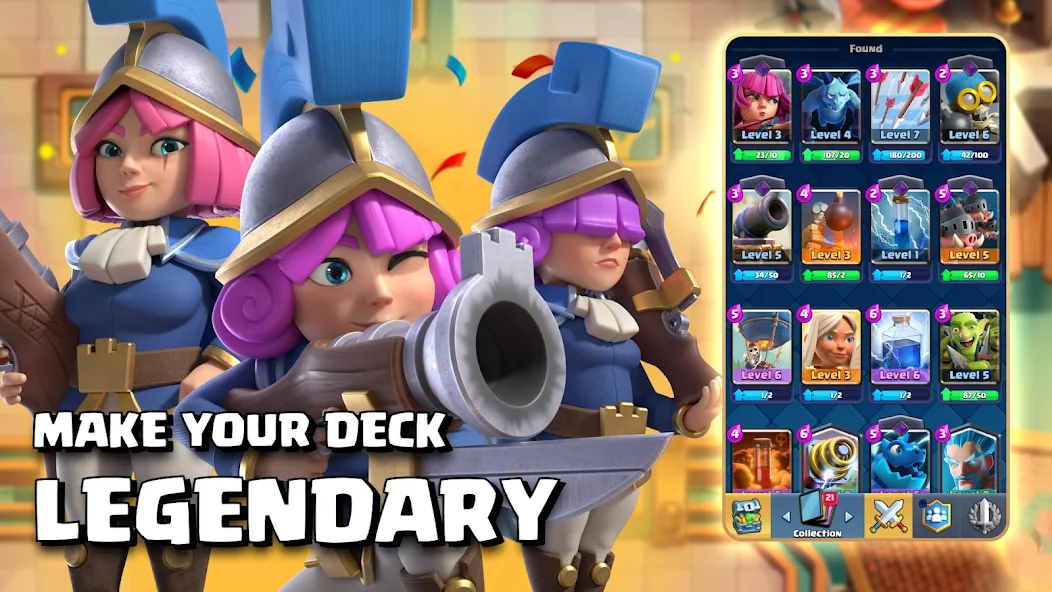
Describe how the deck earns tower damage
Begin with a simple sentence explaining your main pressure plan. It might involve protecting a tower-focused attacker or turning surviving defenders into a counterattack. If the answer is that every card should somehow reach the tower, your plan is probably too vague. A clear objective helps you decide which cards support each other and which compete for the same resources. It also gives you something concrete to review after a loss.
Audit the defensive jobs
Look for ways to handle air threats, concentrated damage and groups of smaller units. Consider placement and timing as well as the card description. One card may fill several jobs, but it cannot answer two simultaneous threats if it is unavailable or unaffordable. Write down the situations where your only answer is already committed elsewhere. That weakness is more informative than simply counting how many defensive cards you included.
Treat cost as a sequence
Average elixir cost is a useful summary, not a complete plan. Imagine defending a push, supporting the survivors and still keeping a response ready. Can your usual sequence fit the resources you expect to have? An inexpensive card may help you reach another answer, but cycling it without purpose can create a new vulnerability. Supercell notes that elixir generation changes during a standard battle and that special modes can use different rules. Evaluate the deck in the mode you actually play.
Replace one card with a reason
Keep a brief record of repeated problems rather than rebuilding after every defeat. If several matches show the same unanswered air threat, make a change aimed at that job. Record what you gave up as well: a cheaper cycle, area damage or a pressure option. Play enough comparable matches to see whether the new choice improves the intended situation. This is an editorial method for learning a deck, not a claim that any single list guarantees wins.
Unofficial fan material; not endorsed by Supercell. Supercell Fan Content Policy.